Getting Bhutan
Haa Valley
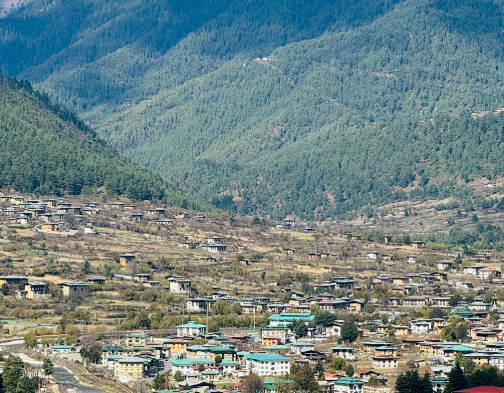
Haa Valley is one of Bhutan’s most scenic and culturally rich destinations, nestled between Paro, Chhukha, and Samtse. Once known for its ancient animist traditions, the valley embraced Buddhism in the 8th century through Guru Padmasambhava. Today, visitors can explore historic sites such as Lhakhang Karpo, Lhakhang Nagpo, Wangchuklo Dzong, and experience the vibrant Haa Tshechu festival.
The valley is also renowned for its breathtaking natural beauty, traditional villages, and unique cultural heritage. Surrounded by forests and mountains, Haa offers excellent hiking opportunities to monasteries and sacred sites. The journey over Chele La Pass (3,988 m) rewards travelers with spectacular panoramic views of Mount Jomolhari, Jichu Drakey, and the surrounding Himalayan landscape.
Places of interest in and around Gangtey
1.Lhakhang Karpo (white temple)
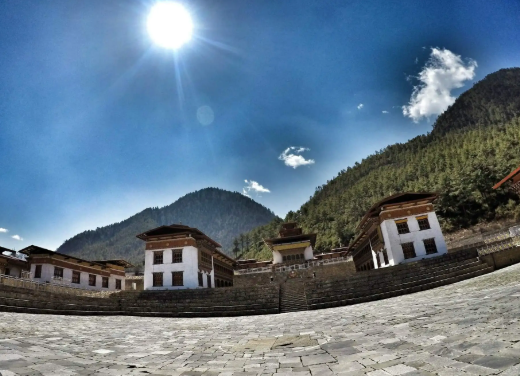
Lhakhang Karpo is a sacred 7th-century temple built by King Songtsen Gampo. It is associated with Haa’s guardian deity Ap Chundu. Legend says a white pigeon selected its site. The temple protects the valley’s entrance and remains an important spiritual center surrounded by the sacred Rigsum Gonpo mountains.
2. Gangtey Nature Trail
The Gangtey Nature Trail is a scenic 5.5 km walk through Phobjikha Valley. It passes forests, meadows, chortens, and villages, ending near a community school. The easy two-hour hike offers beautiful views of the valley, Gangtey Goenpa, and local rural life.
3. Lhakhang Nagpo (Black Temple)
Lhakhang Nagpo, built in the 7th century, was founded by King Songtsen Gampo. A black pigeon chose its location, giving the temple its name. It houses sacred statues of Buddha and protective deities. The temple remains an important spiritual site in Dumchoe village with strong historical significance.
4. Chhundu Lhakhang
Chhundu Lhakhang is a small shrine dedicated to Ap Chundu, the protective deity of Haa Valley. It is located near Lechuna village and serves as an important spiritual site where locals offer prayers for protection, blessings, and harmony in daily life.
5. Haa Panorama Hiking Trail
This 11-kilometre hiking trail offers panoramic views of Haa Valley and passes several monasteries including Yangthang, Katsho, and Takchu Goenpa. The moderate climb reaches 3,150 metres and provides a rich mix of nature, culture, and spiritual experiences.