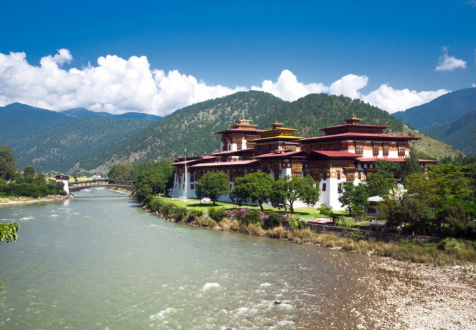
Punakha
Punakha, once the capital of Bhutan, remains the winter residence of the Je Khenpo, the chief abbot. Blessed with a mild climate and fertile land, it is nourished by the Pho Chhu and Mo Chhu rivers. The valley produces rich crops, with stunning Himalayan views visible from Dochula Pass.
Read More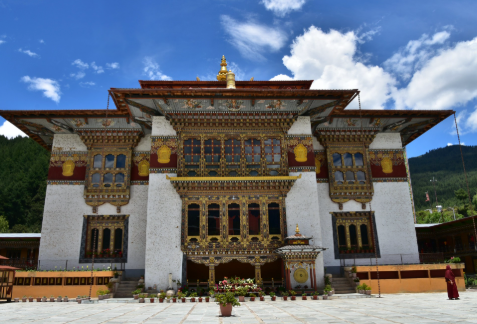
Bhumthang
Located in central Bhutan, Bumthang is one of Bhutan's most fascinating & charming destinations with winding roads lined by tall evergreen pine forests, wide breathtaking valleys and a rich heritage. Bumthang has an individuality that attract its visitors and separates it from other regions..
Read More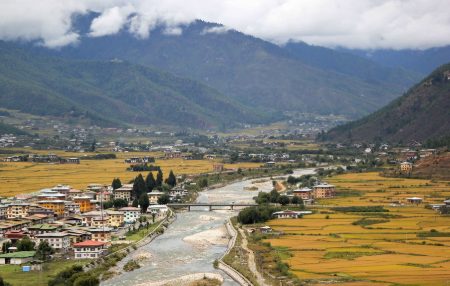
Paro
Paro Valley is one of Bhutan’s most scenic and culturally rich regions, home to ancient temples, monasteries, the National Museum, and the country’s only international airport. Surrounded by Mount Chomolhari, its fertile lands produce famous red rice, while glacial rivers flow through deep gorges forming the Paro River.
Read More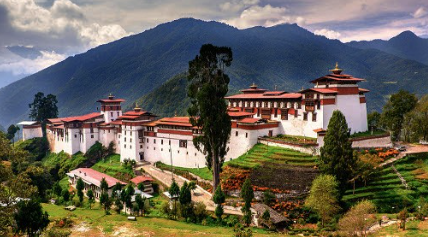
Trongsa
Trongsa, located in central Bhutan, is the historic heart of the nation and played a key role in unifying the country. It was the seat of Bhutan’s early kings and remains traditionally linked to the Crown Prince as Trongsa Penlop.
Read More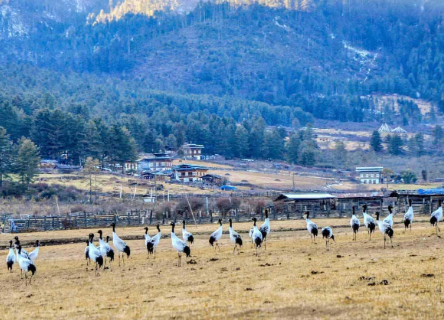
GANGTEY & PHOBJIKHA VALLEY
Gangtey Valley is a wide, beautiful landscape in Bhutan known for its open plains and rare sense of space. It is home to Phobjikha Valley, the winter habitat of black-necked cranes, and features rivers, legends, and rich biodiversity near the Black Mountain National Park.
Read More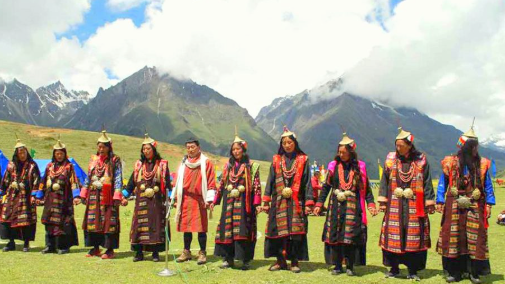
MERAK & SAKTENG
Merak–Sakteng is a remote highland region in eastern Bhutan, renowned for the unique semi-nomadic Brokpa culture and the pristine Sakteng Wildlife Sanctuary. Visitors can experience traditional lifestyles, distinctive dress, rich biodiversity, and spectacular Himalayan landscapes, making it one of Bhutan’s most authentic and culturally rewarding destinations.
Read More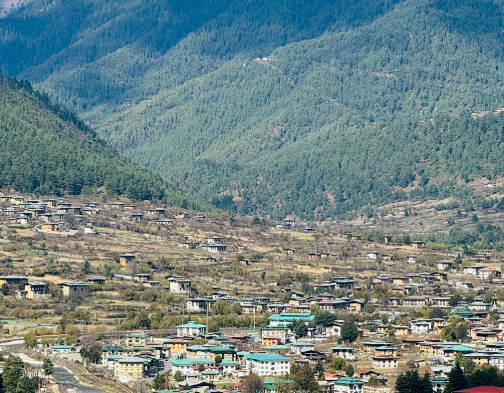
Haa Valey
Haa Valley, nestled between Paro, Chhukha, and Samtse, is a scenic cultural gem of Bhutan. Known for sacred temples like Lhakhang Karpo and Nagpo, it blends ancient heritage with Buddhist traditions, vibrant festivals, and peaceful mountain landscapes.
Read More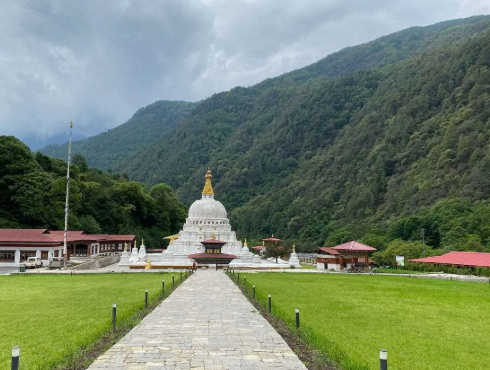
Tashi Yangtshe
Bordering Arunachal Pradesh, Trashiyangtse became a district in 1992. Covering 1,437.8 sq. km, it ranges from 500 to 5,400 meters in elevation, offering diverse climates, rich biodiversity, Bumdeling Wildlife Sanctuary, and traditional crafts like wooden bowls and Daphne paper.
Read More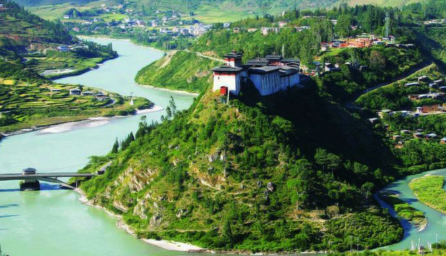
Wangduephodrang
Wangduephodrang, in west-central Bhutan, covers 4,308 sq. km and features diverse climates from subtropical south to alpine north. Much of it lies within protected parks and biological corridors. The district is known for Bajo town, rich cultural diversity, pasturelands, and traditional bamboo, slate, and stone craftsmanship.
Read More