Getting Bhutan
Wangduephodrang
Wangduephodrang, in west-central Bhutan, covers 4,308 sq. km and features diverse climates from subtropical south to alpine north. Much of it lies within protected parks and biological corridors. The district is known for Bajo town, rich cultural diversity, pasturelands, and traditional bamboo, slate, and stone craftsmanship.
Places of interest in and around Wangduephodrang
1. Wangduephodrang Dzong
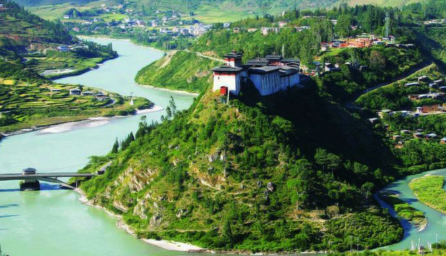
Perched above the confluence of the Punatsangchhu and Dangchhu rivers, Wangduephodrang Dzong is a striking landmark founded by Zhabdrung Ngawang Namgyal in 1638. It is believed its location was chosen after auspicious signs, symbolizing unity and spiritual protection for the nation.
The Dzong was severely damaged by fire in 2012, but all sacred relics were saved. It has since been carefully restored, standing today as a powerful symbol of Bhutan’s resilience, heritage, and enduring cultural and spiritual legacy.
2. Rinchengang Village (Wangduephodrang)
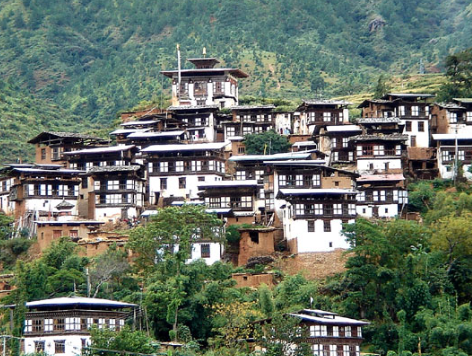
Rinchengang is a charming traditional village about a 20-minute walk from Wangduephodrang Dzong. Known for its clustered mud houses, it is believed to have been settled by craftsmen brought by Zhabdrung Ngawang Namgyal. The village offers rich heritage, terraced fields, and stunning views of the Dzong and Punatsangchhu River.
3. Adha & Rukha Villages
Adha and Rukha villages offer an authentic glimpse into Bhutanese rural life with organic farming, traditional practices, and warm hospitality. Located south of Wangdue at lower altitude, they feature tropical vegetation, homestays, and camping spots. Spring and autumn are ideal for visits due to more pleasant weather conditions.